Fashion Warehousing in Saudi Arabia: 8 Pro Tips for 2026
Fashion warehousing in Saudi Arabia has become a competitive edge, not just a back-office cost. As Jeddah and Riyadh grow into regional retail hubs, apparel brands need storage that protects fabric, speeds fulfillment, and flexes with fast-changing seasons. Get it right and stock moves cleanly from container to customer.
In this guide I share eight tips I have gathered helping clothing and footwear brands set up storage in the Kingdom. You will learn how to protect delicate fabrics, handle returns, and pick a partner that keeps your collections looking showroom-fresh.
Why fashion warehousing in Saudi Arabia needs a specialist
Apparel is not like storing canned goods. Fabric creases, leather dries, and silk stains. A pallet of dresses left in a hot, humid, dusty warehouse can lose value fast. In Saudi Arabia’s climate, that risk is real all year.
The Kingdom’s fashion market keeps expanding as global brands enter and local designers scale. According to the International Trade Centre, apparel trade flows through the Gulf continue to grow, and Jeddah’s port makes it a natural distribution gateway. That volume demands purpose-built storage.
Specialist providers offer Storage for the Fashion Industry designed around garments: hanging rails, clean rooms, humidity control, and careful handling. That focus preserves the look and feel customers pay for.
The real cost of poor garment storage
Wrinkled, musty, or faded stock either gets discounted or returned. Both eat margin. Proper storage keeps items sellable at full price, which is where fashion makes its money.
Tip 1: Separate hanging and folded storage
Structured garments such as suits, dresses, and coats belong on rails to keep their shape. Knitwear and denim store better folded to avoid shoulder bumps and stretching. A good warehouse offers both, mapped to your product mix.
Tip 2: Control humidity to protect fabric
Coastal Jeddah is humid, and moisture is a quiet enemy of textiles. It encourages mildew on natural fibers and can spot leather and silk. Controlled humidity keeps collections crisp and odor-free.
| Material | Best storage method | Key risk |
|---|---|---|
| Suits & dresses | Hanging, breathable covers | Creasing |
| Knitwear | Folded, shelved | Stretching |
| Leather goods | Cool, humidity-controlled | Drying, mold |
| Silk & delicates | Dark, low-humidity | Staining, fading |
| Footwear | Boxed, ventilated racking | Deformation |
Tip 3: Keep collections clean and dust-free
Dust dulls dark fabrics and settles on white goods. Insist on sealed, pest-controlled rooms with regular cleaning. Breathable garment covers add another layer of protection without trapping moisture.
Tip 4: Store climate-sensitive items in cooler zones
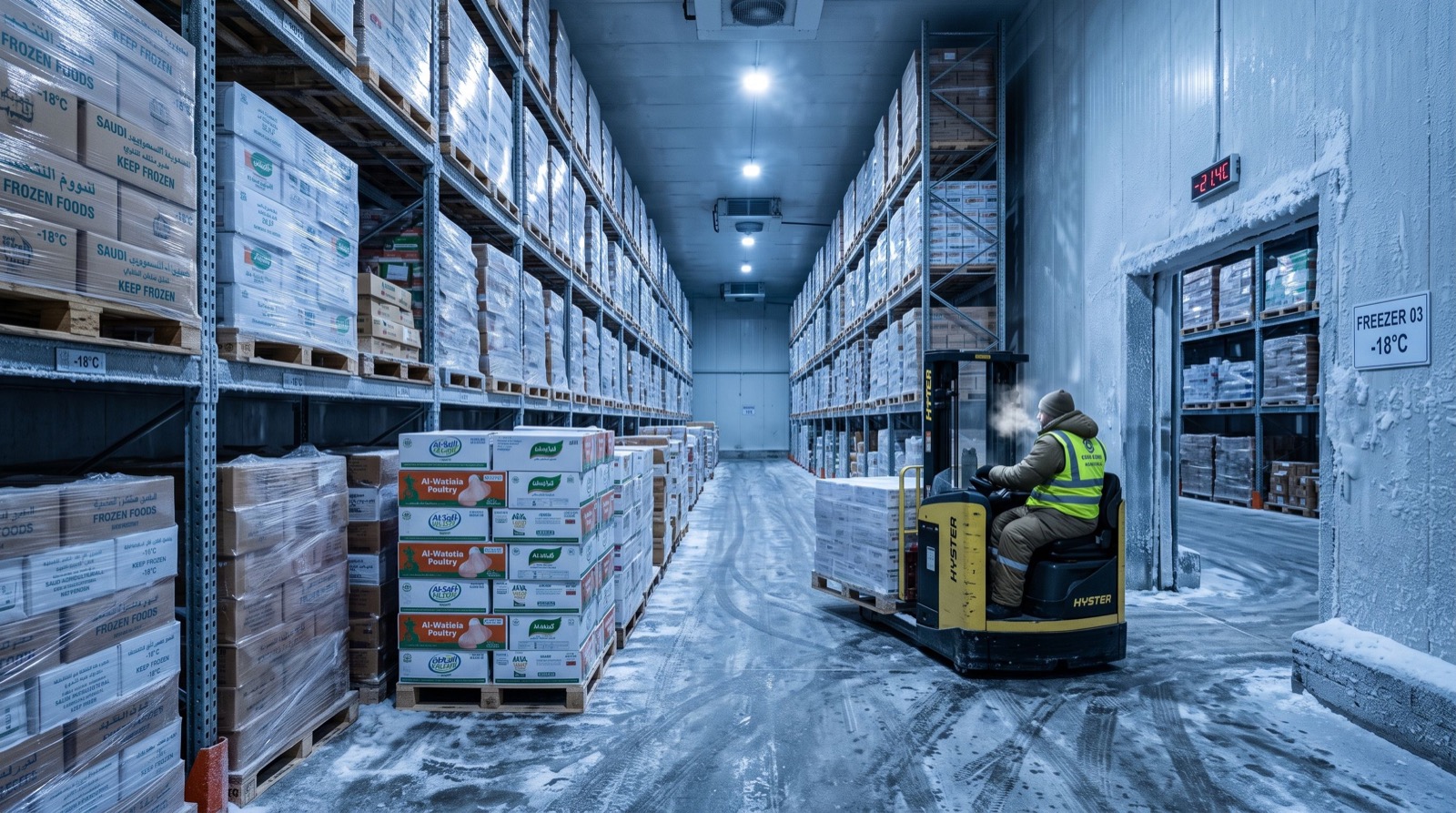
Leather, certain cosmetics sold alongside fashion, and specialty fabrics last longer in cool conditions. Some brands even use Chilled Storage in Saudi Arabia for premium leather goods and accessories that degrade in heat. Match the zone to the product’s true needs.
Tip 5: Build fast, accurate fulfillment
Fashion lives and dies on speed. Shoppers expect next-day delivery and painless returns. Your warehouse layout, picking process, and inventory system decide whether you meet that expectation.
Prioritize these fulfillment features:
- Real-time inventory visibility by SKU, size, and color.
- Barcode or RFID scanning for pick accuracy.
- Dedicated zones for fast-moving bestsellers.
- Integrated shipping with local couriers.
Tip 6: Plan for returns from day one
Apparel has high return rates because of sizing. A smart warehouse inspects, refolds, resteams, and restocks returns quickly so good stock goes back on sale instead of gathering dust. Ask any provider how they handle reverse logistics.
Tip 7: Scale for seasons and drops
Fashion runs on seasons, sales, and limited drops. Storage needs spike around Ramadan, Eid, and back-to-school, then fall away. Follow these steps to stay flexible:
- Forecast peak volumes per collection.
- Reserve flexible short-term space ahead of drops.
- Use shared 3PL capacity instead of year-round leases.
- Clear end-of-season stock quickly to free space.
Tip 8: Choose the right local partner
The best storage decision is the partner behind it. Look for a provider with fashion experience, transparent monitoring, and staff who handle garments with care. Working with an experienced local team means faster onboarding and fewer costly mistakes as you grow.
What separates a great partner
Great partners tour you through the facility, show live inventory data, and explain exactly how they protect fabric and speed dispatch. Confidence and transparency on a site visit tell you almost everything.
Beyond the walk-through, weigh how a provider communicates. Do they answer questions quickly, share reports without being chased, and flag problems before they escalate? Responsive communication is a reliable predictor of how they will treat your stock when something goes wrong.
Finally, think long term. A partner who understands your growth plans can reserve capacity ahead of new collections, integrate with your online store, and adapt as you expand into new cities. That kind of relationship turns storage from a cost center into a genuine competitive advantage for your brand.
Frequently Asked Questions
Why does fashion need specialized warehousing?
Garments crease, fade, and absorb moisture, so they need hanging rails, humidity control, clean rooms, and careful handling. Generic pallet storage risks damaging fabric and lowering the value of your collections.
Do clothing brands ever need chilled storage?
Sometimes. Premium leather goods, certain accessories, and heat-sensitive items can benefit from cool or chilled storage in Saudi Arabia’s hot climate, where heat and humidity would otherwise cause drying, mold, or deformation.
How should returns be handled in a fashion warehouse?
Returns should be inspected, cleaned or steamed, refolded, and restocked quickly so sellable items return to inventory fast. Efficient reverse logistics protects margin and keeps stock available for customers.
How do I choose a fashion storage provider in Jeddah?
Look for apparel experience, hanging and folded options, humidity control, real-time inventory systems, and a transparent team. Tour the facility and ask to see live monitoring data before committing.
Conclusion
Smart fashion warehousing in Saudi Arabia keeps your collections crisp, your fulfillment fast, and your margins healthy. Separate hanging and folded stock, control humidity and dust, plan for returns and seasonal peaks, and choose a partner who understands garments. Ready to give your apparel the storage it deserves in 2026? Connect with a specialist fashion storage team in Jeddah today.