Yard Deodorizing and Sanitizing: 2026 Dog Owner Guide
Yard deodorizing and sanitizing is the step most dog owners skip, yet it is what separates a merely scooped yard from a truly fresh, safe one. Removing waste stops the pile from growing, but bacteria, parasites, and lingering odor can remain in the soil and grass long after pickup. This 2026 guide explains how to properly deodorize and sanitize your yard so your family can enjoy a clean, healthy outdoor space that actually smells good.
If your yard still smells even after you scoop, you are not imagining it. Odor comes from bacteria and residue left behind. The good news is that with the right routine, you can eliminate both. Here is how.
Why Scooping Alone Is Not Enough
Picking up solid waste is the essential first step, but it does not address what soaks into the ground. Urine and residual bacteria linger in grass and soil, feeding odor and posing a lingering health risk. A complete cleanup routine has two parts: removal, then sanitizing.
Sanitizing your yard delivers real benefits:
- Neutralizes odor at the source rather than masking it
- Reduces bacteria and parasite risk in high-traffic areas
- Makes the yard safer for children and pets
- Keeps flies and pests from being drawn to residue
- Leaves the space genuinely fresh, not just clear
How to Deodorize and Sanitize Step by Step
A proper routine is simple once you know the sequence. Follow these steps:
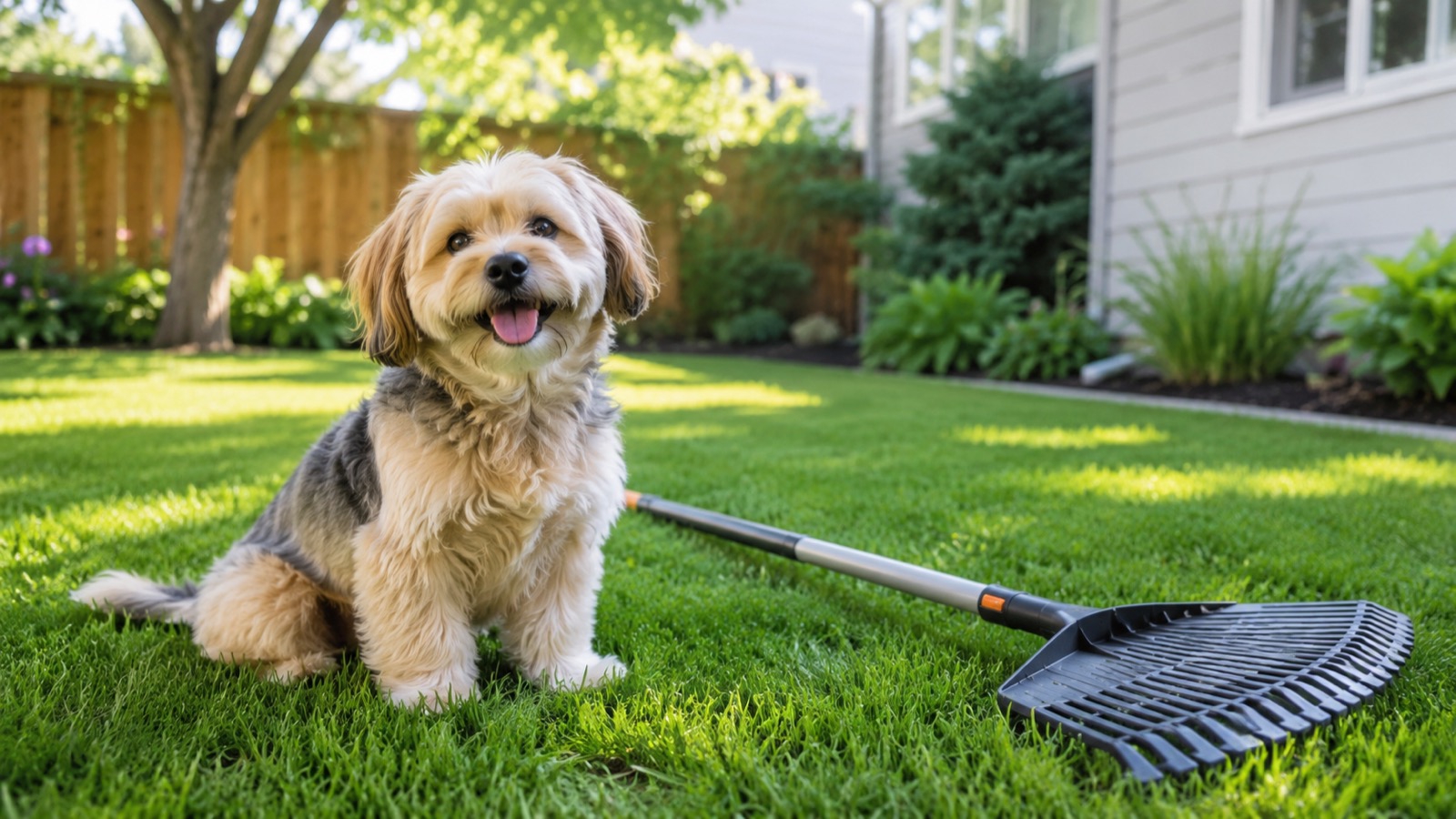
- Remove all solid waste first using a long-handled Pooper scooper company approved tool or hire a service.
- Rinse high-traffic potty spots to dilute residue.
- Apply an enzyme-based cleaner, which breaks down organic odor at the molecular level.
- Treat pet-safe areas with a yard-appropriate sanitizer.
- Let the area dry before letting pets or kids back out.
Choosing the Right Products
Not every cleaner is safe for lawns or pets. Enzyme-based and pet-safe products are the gold standard because they neutralize odor without harming grass or endangering animals. Avoid harsh bleach on lawns, which kills grass and can be dangerous to pets.
| Product Type | Best Use | Pet Safe? |
|---|---|---|
| Enzyme cleaner | Odor neutralizing | Yes, when labeled |
| Pet-safe yard sanitizer | Bacteria reduction | Yes |
| Diluted vinegar solution | Light odor, hard surfaces | Generally yes |
| Bleach | Not for lawns | No, avoid on grass |
How Often Should You Sanitize?
Frequency depends on dog count, yard size, and season. As a general rule:
- High-traffic potty spots: sanitize weekly
- Whole-yard treatment: monthly, or more in summer
- Summer months: increase frequency as heat accelerates odor
- Multi-dog homes: more frequent treatment across more areas
Consistent sanitizing pairs perfectly with regular scooping. Keeping a heavy duty tool bag stocked with your cleaner, sprayer, and bags means you can do both in one pass.
The Health Payoff of a Sanitized Yard
Sanitizing is not just about smell. It directly lowers health risk. The Centers for Disease Control and Prevention notes that dog waste can carry parasites and bacteria transmissible to humans, with children most at risk because they play close to the ground. A sanitized, deodorized yard is a meaningfully safer place for your family in 2026.
For owners who want a fully hands-off approach, professional services staffed by trusted professionals often offer sanitizing as an add-on to regular scooping, delivering removal and deodorizing in one visit.
How Enzyme Cleaners Actually Work
Enzyme cleaners are the star of effective yard deodorizing, but many owners do not understand why. Unlike air fresheners that simply mask smell, enzymes break down the organic compounds that cause odor at the molecular level, eliminating the source rather than covering it.
The process is straightforward:
- The enzyme solution is applied to the affected area
- Enzymes target and digest the organic waste residue
- The odor-causing compounds are broken down and neutralized
- The area is left genuinely fresh, not perfumed over
Because enzymes need a little time to work, patience matters. Apply the cleaner and let it sit as directed rather than rinsing it away immediately.
Natural and DIY Deodorizing Options
If you prefer gentler solutions, several natural approaches help control mild odor between deep treatments. These are best for maintenance rather than heavy problem areas.
- Diluted white vinegar: effective on hard surfaces like patios and concrete
- Baking soda: a light sprinkle absorbs surface odor on dry areas
- Agricultural lime (pet-safe use only): helps neutralize odor when applied correctly
- Frequent rinsing: simple dilution reduces residue buildup
Natural options work well for upkeep, but stubborn odor and bacteria still call for a dedicated enzyme cleaner or a pet-safe sanitizer.
Common Mistakes to Avoid
- Sanitizing before removing solid waste, which spreads the mess
- Using bleach or harsh chemicals that kill grass and harm pets
- Letting pets back out before the area dries
- Only treating visible spots and ignoring soaked-in areas
- Skipping sanitizing entirely and wondering why the yard still smells
Targeting High-Traffic Spots
Dogs tend to return to the same favorite bathroom spots, and those areas absorb the most residue and develop the strongest odor. Focusing your deodorizing effort where it counts saves time and delivers better results than treating the whole yard evenly.
- Watch your dog to identify their preferred potty zones
- Treat those spots more frequently than the rest of the yard
- Rinse and sanitize them on a weekly schedule
- Consider training your dog to a single designated area to concentrate cleanup
Concentrating effort on these hot spots is the smartest way to keep the whole yard smelling fresh without treating every square foot.
Protecting Your Grass While You Clean
Aggressive cleaning can damage a lawn as much as the waste itself. The goal is a fresh yard with healthy grass, so choose methods that neutralize odor without scorching the turf.
- Always dilute cleaners as directed to avoid burning grass
- Water treated areas afterward to help the lawn recover
- Avoid bleach and undiluted chemicals on any planted area
- Reseed bare spots caused by past waste damage
Frequently Asked Questions
How do I get rid of dog poop smell in my yard?
Remove all solid waste first, rinse high-traffic spots, then apply an enzyme-based cleaner that breaks down odor at the source. Repeat regularly, especially in summer heat.
Is it safe to sanitize a yard with pets?
Yes, when you use pet-safe, enzyme-based products and let the area fully dry before letting pets back out. Avoid bleach and harsh chemicals on grass.
How often should I deodorize my yard?
Treat high-traffic potty spots weekly and do a whole-yard treatment monthly, increasing frequency in summer and for multi-dog households.
Does sanitizing reduce health risks?
Yes. Removing waste and sanitizing high-traffic areas lowers bacteria and parasite exposure, making the yard safer for children and pets alike.
Conclusion: A Yard That Is Clean and Fresh
Yard deodorizing and sanitizing completes what scooping starts, neutralizing odor and lowering health risks so your outdoor space is truly fresh and safe in 2026. Remove waste first, use pet-safe enzyme products, and treat your yard on a consistent schedule. Ready for a yard that smells as clean as it looks? Add sanitizing to your cleanup routine or book a professional service today.