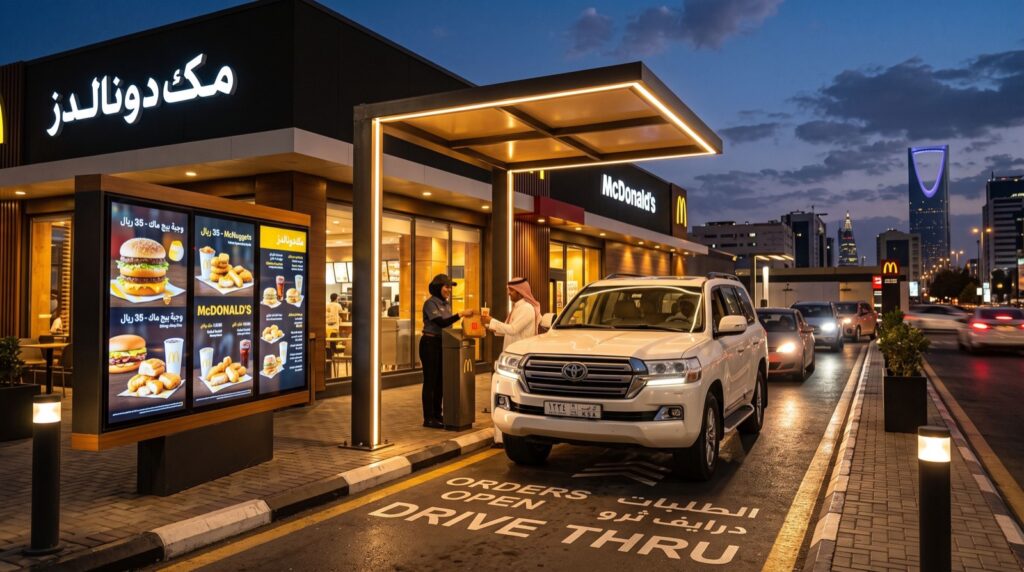
Pull up to a busy junction in Lahore or Karachi after sunset and you will spot something that barely existed a decade ago: a patient row of cars beside a glowing menu board, engines idling while bags of food pass through a window. The drive-thru lane has quietly become one of the clearest symbols of how quick-service dining in Pakistan is being rewired, and the speed of that shift has caught even seasoned operators off guard.
What looks like simple convenience from the driver’s seat is actually a tightly choreographed operation. Behind every smooth handover sits a stack of hardware, a rethought kitchen flow, and a set of habits that separate a lane customers happily queue for from one they quietly abandon. This article unpacks what is really fuelling the trend, the equipment that keeps it running, and the decisions that turn a drive-thru into a profit engine instead of a bottleneck.
Why Drive-Thru Culture Took Off So Fast
A few forces collided at once. Urban traffic made sitting down for a meal feel like a luxury, delivery apps trained people to expect food on demand, and a younger, car-owning middle class started treating the drive-thru as the default rather than the exception. Add long, hot summers when nobody wants to leave an air-conditioned cabin, and the lane became the path of least resistance.
Operators noticed that a well-run window could serve more customers per hour than a dine-in floor of the same footprint. That efficiency, combined with lower staffing needs per order, made the format irresistible for chains racing to expand across secondary cities without building sprawling seating areas.
What Actually Happens Behind the Menu Board
To a driver, the process feels like three steps: order, pay, collect. Inside, it is a relay race. The order-taking system pushes the ticket to a kitchen display, timers start counting the moment the car reaches the speaker post, and staff at the window juggle payment, bagging, and the next incoming vehicle simultaneously.
The magic is in the overlap. While one car pays, the next is already ordering and a third is being prepped. When that rhythm holds, cars flow through in under two minutes each. When any link stalls, the whole lane backs up onto the road, and that visible congestion is exactly what scares away the next potential customer.
The Hardware That Keeps the Line Moving
Reliable equipment is the difference between a lane that hums and one that stutters. Clear two-way audio between the speaker post and the headset team prevents the misheard orders that trigger refunds and remakes. Weatherproof displays, dependable payment terminals, and fast scanning tools all earn their keep during the dinner rush when volume peaks.
Scanning in particular deserves attention. Loyalty coupons, app-generated QR codes, and packaged retail items all need to be read instantly at the window, and a rugged device such as the Honeywell Voyager XP 1470g handles smudged phone screens and printed barcodes without the repeated re-scans that stall a queue. Shaving even five seconds off each transaction adds up dramatically across a shift.
Speed of Service Is the New Battleground
Chains obsess over one metric above almost all others: total service time from arrival to departure. Every second trimmed translates directly into more cars served and more revenue captured during the narrow windows when demand spikes. It is why brands invest heavily in shaving friction from the process rather than simply lowering prices.
Speed also shapes perception. A customer who waited four minutes remembers the wait, not the meal. A customer who was gone in ninety seconds remembers the ease and comes back. In a market where a competing lane sits a block away, that memory is worth more than any discount.
Designing a Lane That Does Not Frustrate Drivers
Physical layout quietly decides success. A lane that is too short lets a few cars spill onto the main road, choking traffic and deterring newcomers. A poorly placed speaker post forces awkward reversing. Blind corners make drivers hesitant, and hesitation kills throughput.
The best designs give waiting cars enough stacking space, position the menu board where headlights do not wash it out, and separate the ordering point from the collection window so two tasks never compete for the same patch of tarmac. Getting this right at the construction stage is far cheaper than retrofitting a cramped site later, which is why smart operators bring in dependable specialists for the groundwork before a single sign goes up.
The Data a Well-Run Drive-Thru Hands You
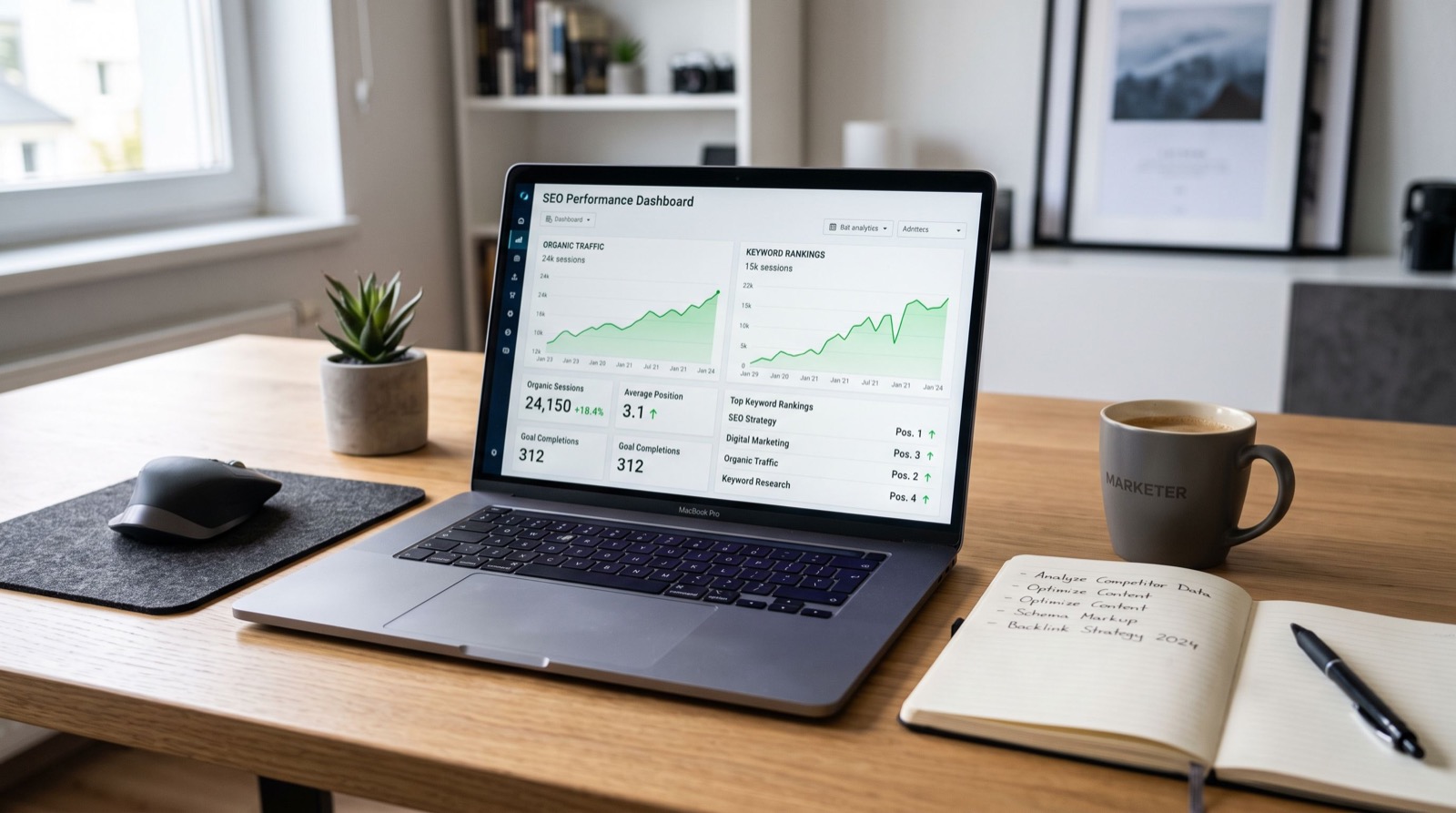
A modern lane is also a data source. Timing sensors record how long each stage takes, point-of-sale logs reveal which items sell fastest at which hours, and payment records expose patterns that a manager can act on the very next day. That information turns gut feeling into scheduling decisions.
Managers who read the numbers can staff up precisely for the Friday-night surge, pre-prep the items that dominate late orders, and spot the exact stage where a slow night lost its rhythm. The lane stops being a black box and becomes a dashboard for continuous improvement.
Common Mistakes When Rolling Out a Drive-Thru
The classic error is treating the lane as an afterthought bolted onto an existing restaurant rather than a system designed from scratch. Undersized queuing space, headsets that crackle, and staff who were never trained for the specific pace of window service all sabotage the investment before it earns anything.
Another frequent misstep is skimping on the technology backbone to save a little upfront, then paying for it nightly in lost throughput. Operators who partner early with a specialist in Drive Thru Solution in pakistan tend to avoid these traps, because the layout, hardware, and staff workflow are planned together instead of patched one crisis at a time.
Key Takeaways
- Drive-thru demand surged on the back of traffic, delivery habits, and a car-owning middle class.
- Throughput depends on overlapping order, pay, and collect stages without any stall.
- Reliable audio, terminals, and fast scanning are what actually keep the line moving.
- Total service time is the metric chains guard most closely.
- Lane design and stacking space must be planned before construction, not retrofitted.
- The data a lane generates is a scheduling and prep goldmine when managers read it.
Where the Lane Goes From Here
The drive-thru is no longer a foreign import awkwardly grafted onto local dining; it has become a native part of how Pakistani cities eat. The operators pulling ahead are the ones who treat the lane as an engineered system, invest in hardware that never becomes the weak link, and study their own timing data instead of guessing. Do that, and the window stops being a gamble on rush-hour chaos and becomes the most productive few square metres a restaurant owns. The brands winning tomorrow are simply the ones taking those details seriously today.